
Renovations
Home Renovations in Rock Hill, SC
The best renovations start behind the walls.
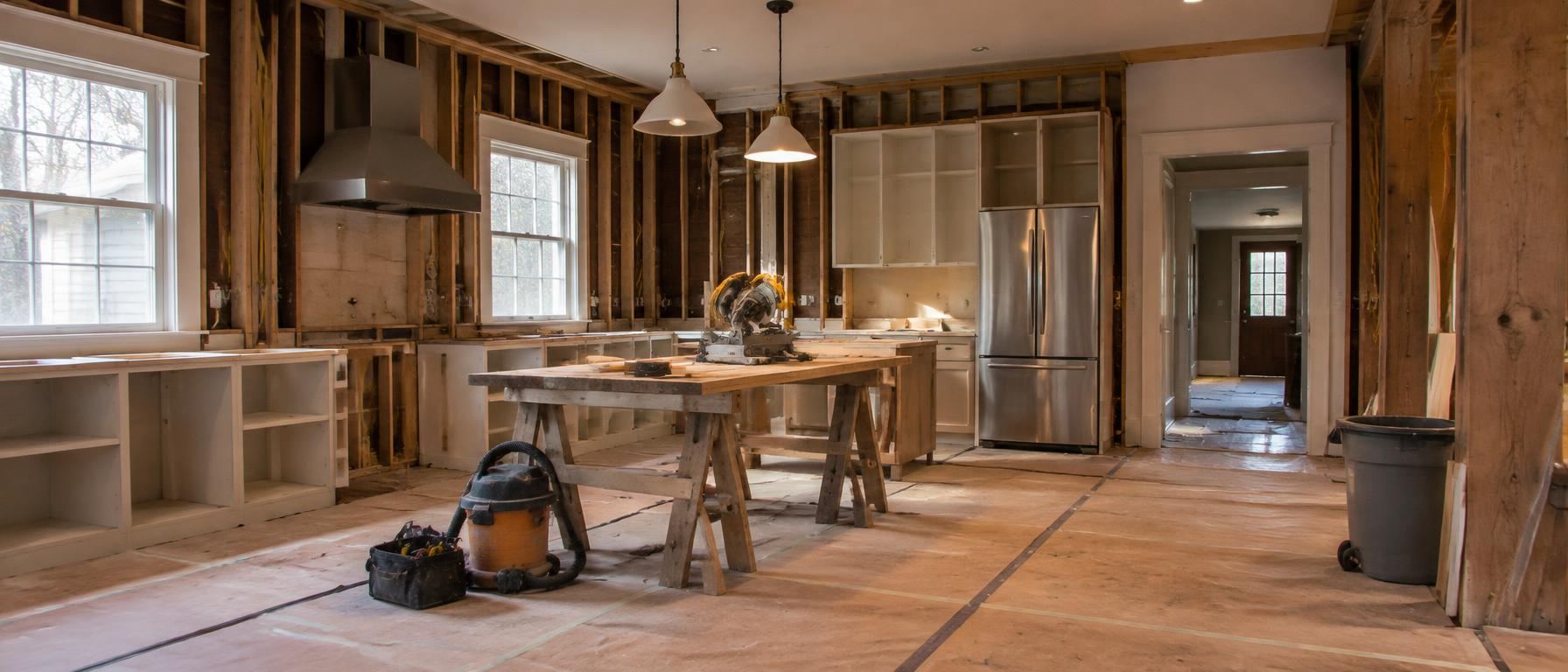
Plan the invisible first
Electrical, plumbing, HVAC, and structure come before finishes. Pull the right permits from the correct jurisdiction, and check whether exterior changes need review in historic areas.
Where Should a Rock Hill, SC Renovation Start?
A Rock Hill, SC renovation should start with the parcel, the permit authority, and the hidden systems, not with finishes. Before selecting tile, paint, or fixtures, confirm whether the property is inside City of Rock Hill limits or in unincorporated York County, then match the project scope to the correct review process. The most useful early plan is a systems plan: what must be opened, repaired, upgraded, inspected, and approved before visible design work begins. That approach protects the budget and reduces the chance of undoing finished work later.
Verify the Address Before You Design
A Rock Hill mailing address is not enough to plan a renovation. Municipal boundaries determine which zoning code applies, who reviews permits, and which services may be connected to the property. This matters for additions, exterior changes, utility upgrades, and work that touches plumbing, electrical, HVAC, or structure. Before hiring around a sketch, gather the property facts so every professional is pricing the same scope under the right rules.
- Search the parcel in York County GIS.
- Confirm city-limit status with the City of Rock Hill.
- Check the tax bill for a city millage line.
- Ask utility providers who serves the address.
- Read HOA covenants before planning exterior work.
- Confirm whether any historic-area review may apply.
Build the Budget Around Systems
A practical renovation budget separates necessary systems from optional finish upgrades. Older homes around Old Town and nearby established streets may need closer attention to electrical systems, plumbing, foundations, roofs, insulation, and HVAC. Newer homes can still require planning around utilities, HOA approval, and technology needs. A renovation builder can help sort work that must happen for safety, code, or access from work that improves style or convenience. That distinction makes trade-offs clearer when the desired scope grows.
- Inspect electrical capacity before adding new loads.
- Evaluate plumbing condition before opening finished rooms.
- Review HVAC changes before changing walls or layouts.
- Check structure before removing or altering supports.
- Ask whether roof or insulation work affects the plan.
- Request recent utility bills when comparing options.
How Historic Review Can Shape the Work
Some properties in older parts of Rock Hill may fall within locally designated historic areas, where exterior changes can require review. That does not mean a home cannot be improved; it means the approval path should be understood before ordering windows, siding, porch materials, additions, or visible exterior features. Ask the City of Rock Hill planning department early, especially when the project changes the way the home looks from the outside.
Inside the home, design choices should respond to the building rather than erase it automatically. Existing trim, floors, and window placement can give an established house much of its character. An interior designer can help decide what to preserve, what to repair, and where a cleaner new element makes sense without fighting the original proportions.
Sequence Work to Avoid Rework
Good sequencing keeps decisions from colliding. Technology, lighting, plumbing, and HVAC routes are easiest to coordinate while walls are open, while finishes should wait until inspections and rough work are resolved. Outdoor living plans can also affect interior choices when speakers, screens, lighting, or Wi-Fi are part of the project. The goal is not to make every choice at once; it is to identify the decisions that affect other trades before they become expensive changes.
- Finalize wall changes before wiring and speakers.
- Confirm plumbing routes before cabinetry is ordered.
- Plan networking and screens before drywall closes.
- Submit HOA exterior requests before ordering materials.
- Keep inspection points visible until approval.
- Coordinate outdoor technology before patios or structures are built.
Who Should Be Involved in the Plan?
Renovations often need more than a single contractor conversation. A local real estate agent can help compare the value of improving the current home versus moving. A renovation builder can test the scope against structure, permitting, and sequencing. An interior designer can make finish decisions fit the home’s age and layout. A home technology integrator can plan wiring, networking, speakers, and screens while access is available. The right order is to define the property constraints, then bring in the specialists whose work depends on those constraints.
- Who handles permit submission and inspection scheduling?
- What owner decisions are needed before demolition?
- How are surprises priced and approved?
- Which materials need HOA or historic review?
- What existing details should be protected?
- What wiring should be planned while walls are open?
When Renovating May Not Be the Best Path
Renovating what you own can preserve a location you already like, but it also adds disruption and uncertainty. If the project depends on major systems work, exterior approvals, HOA restrictions, or a layout that resists change, compare it with buying an established home, purchasing a spec home, or building custom. Each path trades time, control, and certainty differently. The question is not whether renovation is better in general; it is whether this property, under its actual jurisdiction and rules, can become the home you want at a scope you can live with.
Our network
Bring Your Plans Into Focus
If this has you considering a renovation, Peters Custom Homes is the next place to explore — and Emerald Oak Design can carry it through to the interiors.
These websites are affiliated with Rock Hill Living. See the full network or find the right team for your project.