
Design
Interior Design for Established and Newer Homes
Respect the old; warm up the new.
Published October 4, 2026
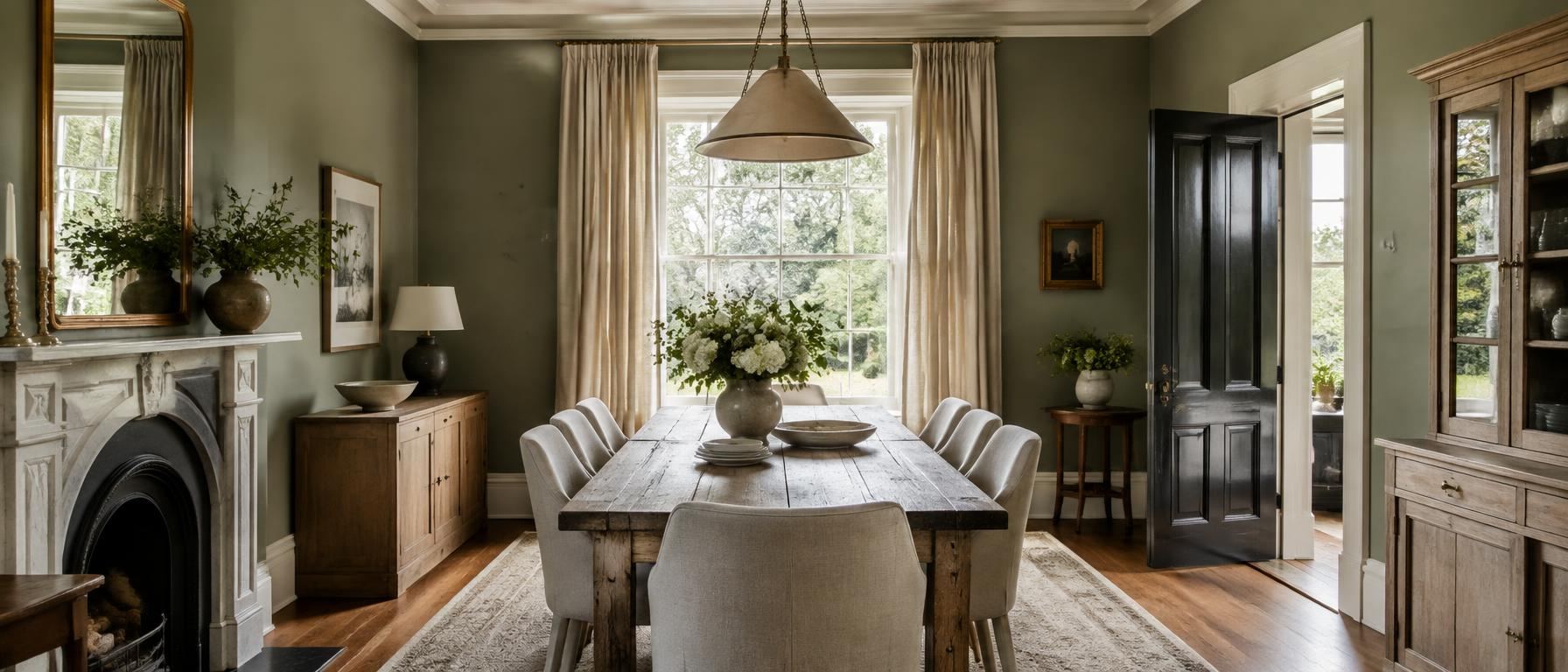
Approach
Work with original trim in older homes; layer texture and lighting in newer ones.
Rock Hill, SC Interior Design Answer
Rock Hill, SC interior design works best when the house leads the choices: preserve the details that give an established home its identity, and add texture, scale, and layered lighting to newer construction so it feels settled rather than showroom-fresh.
That means the same sofa, paint color, or fixture will not work equally well in every setting. A home near Old Town, a house close to a campus rhythm, and a newer home in a planned setting can ask for different materials, layouts, and approval steps. Good design starts by reading the house before buying anything.
What to Study Before You Pick a Style
Before choosing a style label, study what is already fixed. Window placement, ceiling height, room openings, flooring transitions, and trim profiles affect how furniture sits and how light moves. In an established home, those details can be assets rather than obstacles. In newer construction, the fixed features may be larger open rooms, wider sight lines, and fewer natural stopping points for furniture groupings.
Walk through the home with a notebook and separate what should stay from what needs solving. This helps an interior designer, renovation builder, or homeowner focus spending where it changes daily life.
- Which original details are worth keeping?
- Where does daylight feel strong or flat?
- Which rooms lack a natural focal point?
- Where do furniture paths feel awkward?
- Which finishes repeat too often?
- What must meet HOA or city review?
Designing Around Older Rock Hill Homes
Established homes in Rock Hill often reward restraint. If original trim, floors, doors, or window proportions are still present, design should make them feel intentional instead of competing with them. Paint, rugs, fabric, and lighting can soften age without erasing it. Replacing everything at once can remove the very character that made the home appealing.
The practical challenge is knowing when design becomes renovation. If electrical, plumbing, insulation, roof, foundation, or HVAC issues are part of the project, finishes should wait until the hidden work is understood. Exterior changes may also need review in locally designated historic areas, so confirm rules before planning visible updates.
Warming Up Newer Construction
Newer homes can feel bright and efficient but unfinished if every surface is smooth, pale, and evenly lit. The remedy is not clutter. It is contrast: woven texture against clean walls, warm materials near hard flooring, artwork sized for open areas, and lighting that creates zones instead of flooding every room the same way.
Open plans need careful scaling. Furniture that looked substantial in a smaller room can disappear in a larger living area. Use rugs, ceiling fixtures, lamps, and seating placement to create rooms within the room. In Rock Hill, SC interior design for newer homes should also plan outdoor views, since patios, porches, and yards often shape how the main living spaces feel.
Questions to Ask Before Buying Finishes
Finishes are easiest to love in a showroom and easiest to regret after installation. Ask how each choice will behave with the house, not just whether it looks good by itself. A shiny surface may reflect too much light. A delicate material may not suit a busy entry. A bold fixture may fight existing trim or sight lines.
If the home is governed by an HOA, do not assume exterior colors, fencing, additions, or outdoor features are free choices. If the work changes structure, systems, or exterior appearance, confirm the correct jurisdiction for permits and review.
- Is this choice durable for the room?
- Does it work with existing trim?
- Will it date the house quickly?
- Can it be repaired or matched later?
- Does an HOA restrict the change?
- Does the work require a permit?
When Design Should Start in a Build or Renovation
Interior design should not wait until the last lamp. In custom homes, spec homes with remaining choices, and renovations, early design decisions can affect electrical placement, lighting, networking, speakers, screens, built-ins, and furniture layout. Waiting until walls are closed can limit options or make changes more disruptive.
For a renovation, start with the rooms that create the most daily friction, then coordinate finishes after systems are understood. For a build, decide how each room will actually be used before approving lighting and outlet locations. A home technology integrator, renovation builder, and interior designer can work more cleanly when decisions are made before drywall.
How to Build a Practical Design Plan
A useful plan does not begin with shopping. It begins with priorities. Decide which rooms must function better, which existing features should be protected, and which changes can wait. Then group work by disruption: painting and furnishings are different from system upgrades, wall changes, or exterior approvals.
Keep the plan address-specific. A Rock Hill mailing address does not confirm city limits, services, HOA coverage, or review authority. Before committing to a major design project, verify the property context through the correct public sources and documents. That research protects the budget and keeps design choices aligned with what the home and its rules will allow.
Our network
Your Next Chapter
Bring the conversation from architecture to interiors with Emerald Oak Design.
These websites are affiliated with Rock Hill Living. See the full network or find the right team for your project.